Technique
Color Is Flavor: How to Brown, Not Steam
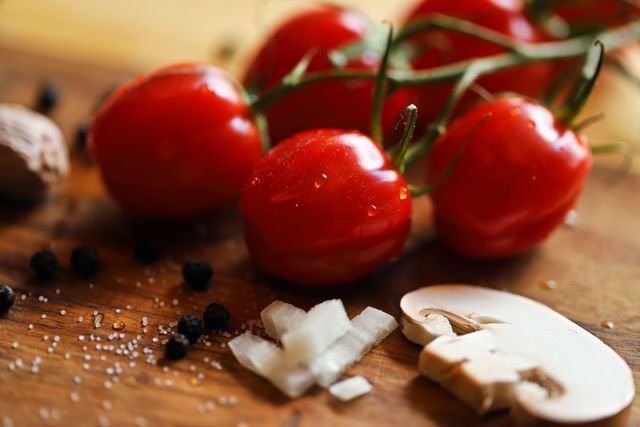
Pale chicken, soggy mushrooms and gray roasted vegetables all share one cause: too much moisture and not enough heat. Here is how to get the deep golden color that means real flavor.
Notes from the pass
Technique deep-dives, market mornings and the small lessons that make weeknight cooking easier.
Pale chicken, soggy mushrooms and gray roasted vegetables all share one cause: too much moisture and not enough heat. Here is how to get the deep golden color that means real flavor.
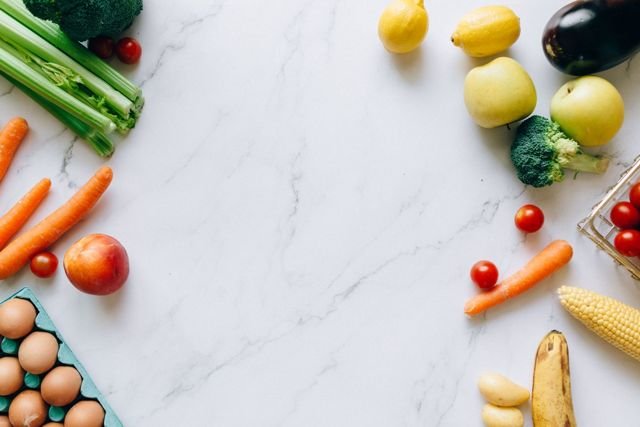
Wilted celery and forgotten lemons are not bad luck. Most produce spoils early because it is stored in the wrong place. A few simple rules will keep your groceries fresh for much longer.
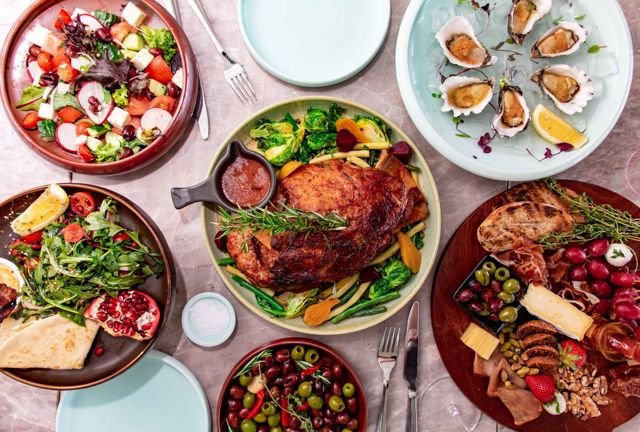
The best dinner parties are rarely the most elaborate. Plan a menu that mostly cooks itself, set the table to share, and you will actually get to sit down with your guests.
When a dish tastes flat and you cannot say why, the answer is usually one of four things. Learn to taste for salt, acid, fat and heat, and you can fix almost anything at the stove.
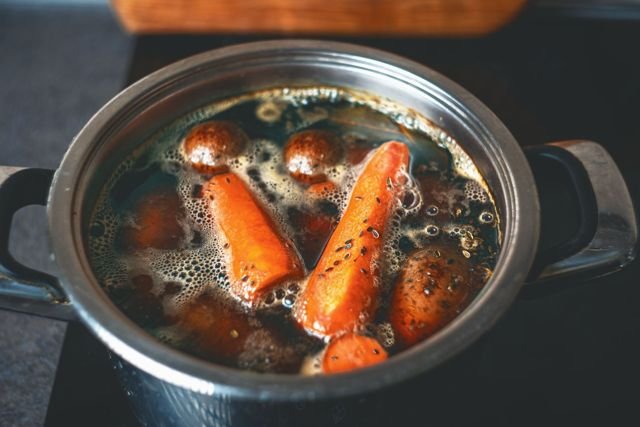
Onion ends, fennel fronds and a roast chicken carcass can become the best stock you have ever cooked with. All it takes is a bag in the freezer and a quiet afternoon.
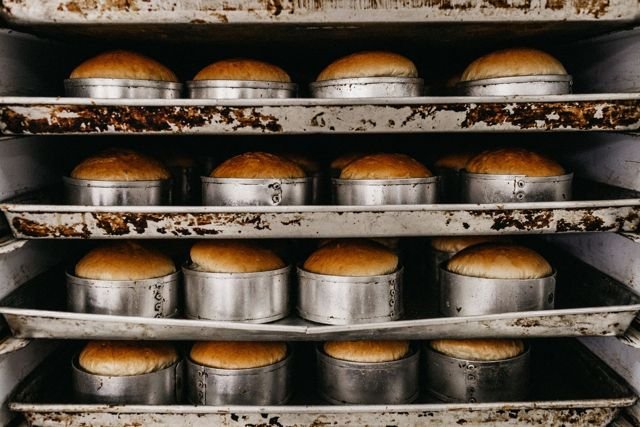
Recipes give you proofing times, but dough does not own a clock. Here is how to read rise, feel and the poke test so your loaves come out tall, open and full of flavor.
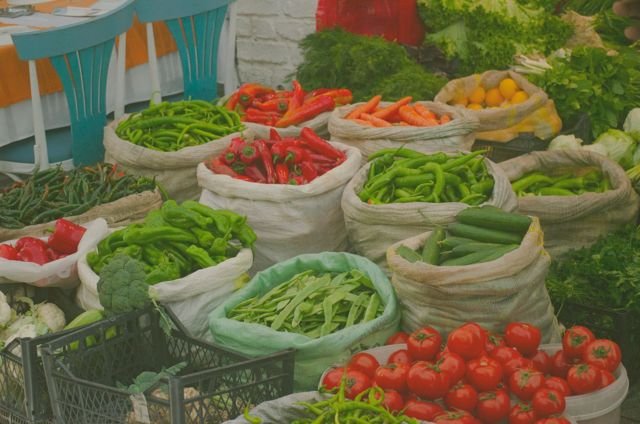
Farmers markets can feel overwhelming or overpriced until you learn how to read them. A few simple habits help you buy better produce, waste less and cook with the seasons.
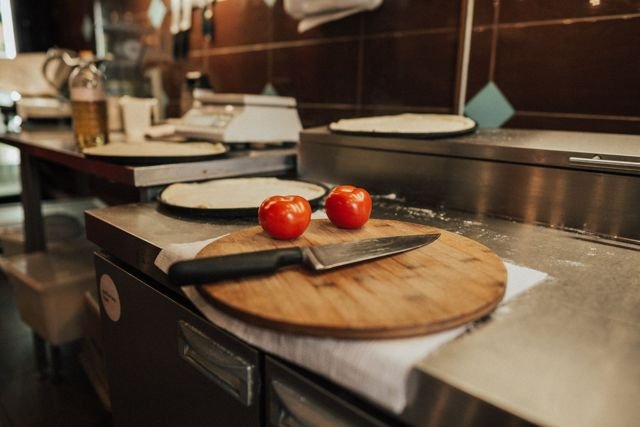
You do not need a drawer full of blades or restaurant speed. A sharp chef's knife, a steady board and a few habits will make prep faster, safer and far less tiring.
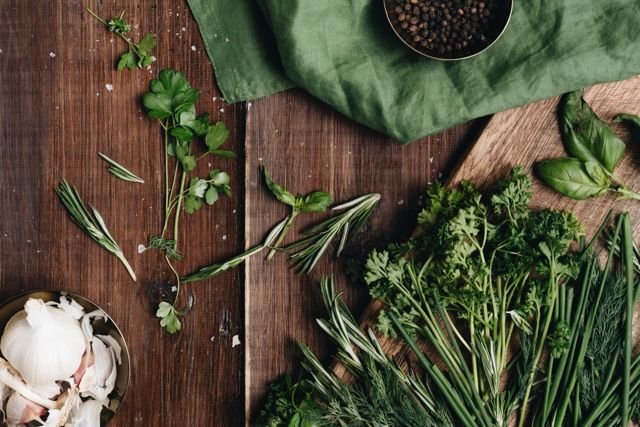
Fresh herbs fall into two families that behave very differently in the pan. Learn which is which, and you will stop wasting bunches and start using them with confidence.