Shopping the Market by Season: A Field Guide for Home Cooks
Farmers markets can feel overwhelming or overpriced until you learn how to read them. A few simple habits help you buy better produce, waste less and cook with the seasons.
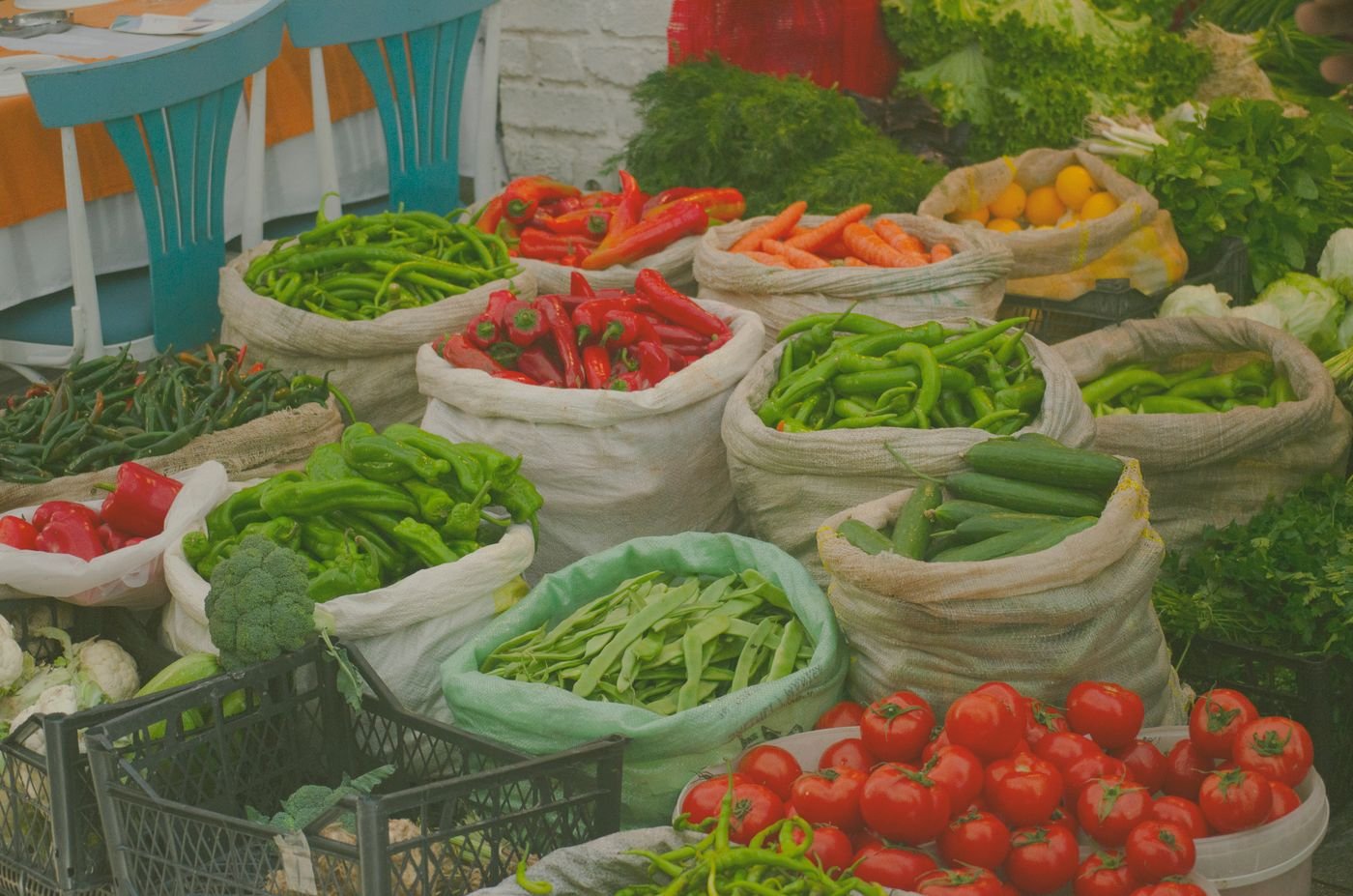
When I ran cooking classes, I used to take groups on a walk through the local farmers market before we cooked. Almost everyone arrived with a shopping list, and almost everyone left having ignored it, because what they saw was better than what they had planned. That is the real value of shopping by season. Instead of forcing a recipe onto whatever the store happens to stock, you let the best produce of the week tell you what to cook.
Markets can feel intimidating at first. There are no aisles, prices are handwritten, and the best stalls sell out early. Here is how to approach them with confidence.
Go once without a plan
For your first visit, leave the list at home and bring a bag and some cash. Walk the whole market before you buy anything. Notice what nearly every stall is selling. When five farmers all have heaps of green beans or tomatoes, that item is at its peak and is often at its cheapest. Items that appear at only one stall, or in small quantities, are either just coming into season or nearly finished.
Then go back and buy. You will make better choices after a full lap than you will at the first table you pass.
Talk to the growers
The people behind the table know more about their produce than any label. Ask simple questions:
- What is especially good this week?
- When was this picked?
- How would you cook it?
- What is coming in next?
Growers tend to love these questions, and their answers are often better than a recipe. They will tell you which variety of squash is sweetest, or that the peaches will be perfect in two days if you leave them on the counter.
A rough seasonal map
Seasons vary with region and weather, so treat this as a sketch rather than a rule.
In spring, look for asparagus, peas, radishes, spring onions, tender lettuces, rhubarb and fresh herbs. These want very little cooking. A quick blanch, a little butter or olive oil, and salt are usually enough.
Early summer brings strawberries, zucchini, new potatoes, fava beans and the first cucumbers. By midsummer, you reach the heart of the market: tomatoes, sweet corn, peppers, eggplant, green beans, stone fruit and berries. This is the season for raw salads, grilling and very simple cooking.
In autumn, the market turns heavier and sweeter. Winter squash, apples, pears, sweet potatoes, cabbages, leeks and mushrooms arrive, along with late peppers and the last tomatoes. Roasting and braising come back into the kitchen.
Winter markets are smaller but still worth visiting for storage crops such as carrots, onions, potatoes and beets, plus hardy greens like kale that often taste sweeter after a frost.
Judging quality with your senses
Supermarket produce is bred to travel and look uniform. Market produce is bred for flavor, so it may look less perfect. Use your senses rather than your eyes alone.
Smell fruit near the stem end. A ripe melon, peach or tomato smells like itself. Weigh things in your hand; heavy for its size usually means juicy. Look at cut ends on greens and stems, which should look fresh and moist rather than dry or brown. For corn, check that the silk is slightly sticky and the husk is green.
Small blemishes, odd shapes and a little dirt are not problems. Soft wet spots, mold and wrinkling are.
Buying the right amount
It is easy to get carried away. A good rule is to buy for the next three or four days, not the whole week, and to split your purchases between things that need to be eaten quickly and things that keep. Pair a bag of tender salad greens and ripe tomatoes, which should be eaten within a day or two, with sturdier items like carrots, cabbage, onions and winter squash, which will last much longer.
If you are shopping for a specific recipe, keep one flexible slot in the plan. If the green beans look tired but the snap peas are glorious, swap them.
Timing your visit
Arrive early for the best selection, especially if you want berries, eggs or anything in short supply. Arrive late for the best prices, when some sellers would rather sell cheaply than pack produce back into the truck. Many growers will offer seconds, slightly bruised or misshapen fruit and vegetables, at a steep discount. These are perfect for sauces, jams, soups and baking.
Bringing it home
What you do in the first hour after shopping matters. Unpack everything as soon as you get home. Remove rubber bands and twist ties from greens and herbs, which bruise under pressure. Cut the leafy tops off carrots, beets and radishes, which otherwise pull moisture from the roots. Leave tomatoes, stone fruit and whole melons on the counter until ripe, and refrigerate most other vegetables.
Then plan a first meal around the most fragile thing in your bag. Market shopping rewards cooks who are willing to be a little flexible, and it does not take long before the market starts to shape your week in a way no shopping list ever could.