Storing Produce So It Actually Lasts
Wilted celery and forgotten lemons are not bad luck. Most produce spoils early because it is stored in the wrong place. A few simple rules will keep your groceries fresh for much longer.
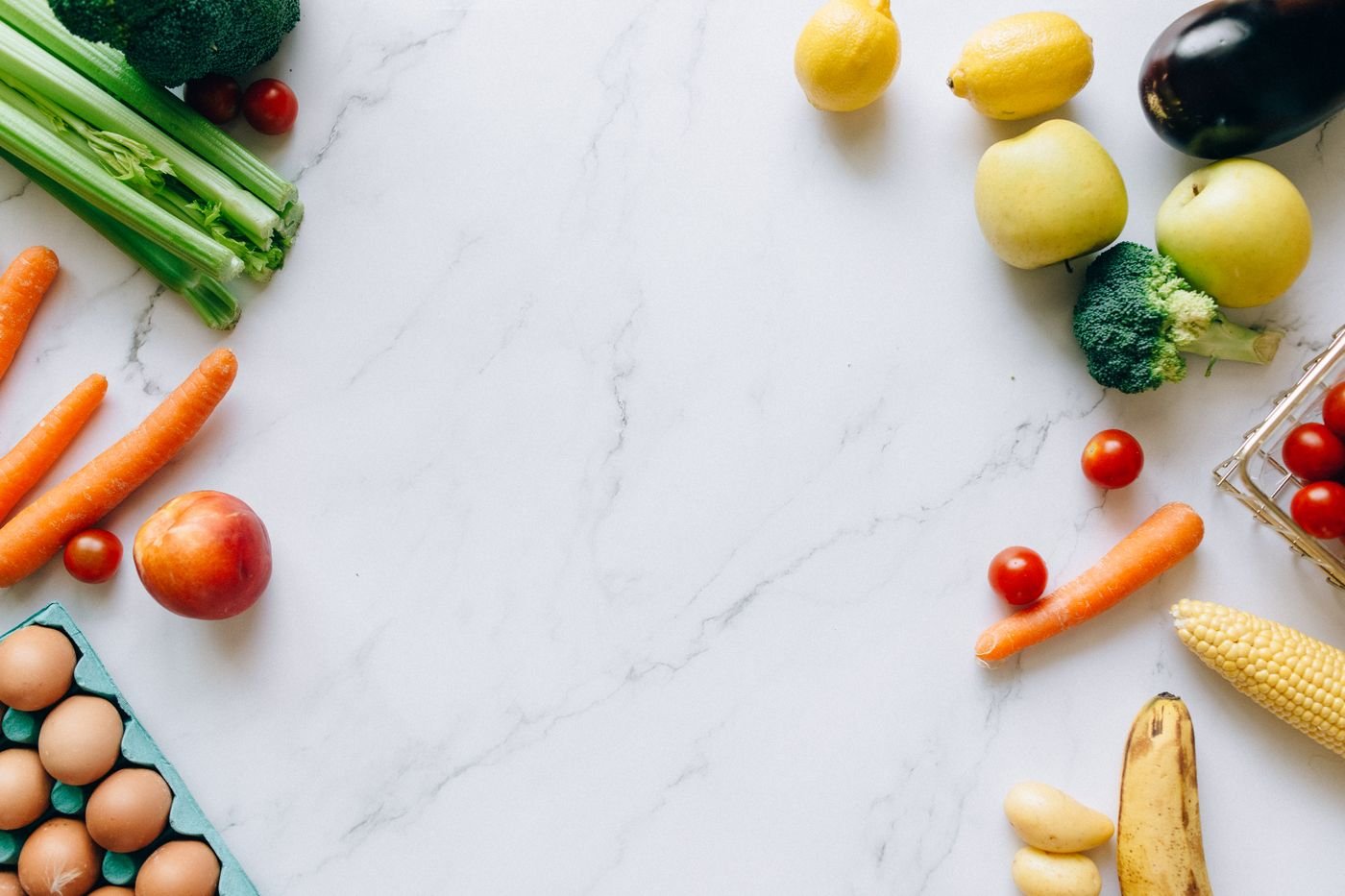
Part of my job is buying produce for photo shoots, and a lot of it has to look perfect several days after I bring it home. That pressure taught me more about storing fruit and vegetables than anything else. Most spoilage is not about how fresh something was when you bought it. It is about where it lives once you get it home, and what it is sitting next to.
Here are the principles I rely on, followed by a quick guide to the items people most often ask about.
Understand ethylene
Many fruits release ethylene, a natural gas that speeds ripening. Some produce gives off a lot of it, and some is very sensitive to it. Keeping the two groups apart is the single most useful storage habit you can build.
Big ethylene producers include apples, bananas, avocados, pears, stone fruit, tomatoes and melons. Sensitive items include leafy greens, broccoli, cucumbers, carrots, herbs and most berries. Store a bag of apples beside a head of lettuce, and the lettuce will yellow and wilt days early.
You can also use ethylene on purpose. To ripen a hard avocado or a peach faster, put it in a paper bag with a banana.
Moisture is a balancing act
Too much moisture causes rot and mold. Too little causes wilting and shriveling. Most vegetables want high humidity but no standing water, which is exactly what the crisper drawer of your fridge is designed for.
Do not wash produce before storing it unless you dry it thoroughly afterward. Wash just before eating instead. For greens, a clean kitchen towel or a paper towel inside the container absorbs excess moisture while keeping leaves from drying out.
Use your crisper drawers properly
If your fridge has two crisper drawers with adjustable vents, set one to high humidity (vent closed) and one to low humidity (vent open).
- High humidity: leafy greens, herbs, broccoli, carrots, celery, cucumbers, peppers and other vegetables that wilt
- Low humidity: apples, pears, grapes and other fruit that tends to rot
This one change keeps vegetables away from ethylene-heavy fruit and gives each group the environment it prefers.
What belongs on the counter
Not everything does well in the cold. Several items lose flavor or texture in the fridge and should stay at room temperature, away from direct sun.
Tomatoes turn mealy and bland when chilled, so keep them stem side down on the counter until you use them. Bananas, avocados, peaches, plums, mangoes and melons should ripen on the counter; once ripe, a day or two in the fridge slows them down without much harm. Whole winter squash keeps for weeks in a cool spot. Basil prefers a glass of water on the counter.
The cool, dark cupboard
Potatoes, onions, garlic and sweet potatoes want a cool, dark, well-ventilated place such as a pantry shelf or a basket in a closet. Keep potatoes and onions apart: onions release gases and moisture that make potatoes sprout faster. Never store potatoes in the fridge, where their starch turns to sugar and they brown unevenly when cooked.
Item by item
Celery and carrots. Wrap celery tightly in foil, which lets ethylene escape while holding moisture in; it can stay crisp for two weeks or more. Trim leafy tops off carrots, then store the roots in a container in the high humidity drawer. Limp carrots and celery revive in a jar of cold water for an hour.
Lettuce and salad greens. Wrap whole heads loosely in a towel and store in a bag or container. For loose leaves, line a container with a towel and do not pack them tightly.
Berries. Store them unwashed in a single layer in a container lined with a paper towel. Pick out any moldy berries immediately, because mold spreads quickly.
Lemons and limes. Left on the counter they dry out within a week. In a sealed bag in the fridge, they stay juicy for a month.
Broccoli and cauliflower. Keep them in an open or perforated bag in the high humidity drawer and use them within five days.
Mushrooms. Store them in a paper bag in the fridge. Plastic traps moisture and makes them slimy.
Eggs. They are not produce, but they deserve a mention. Keep them in their carton on a fridge shelf, not in the door, where the temperature swings every time it opens.
Make the fridge easy to read
Much of the waste in a home kitchen comes from simply forgetting what is there. Keep the most perishable items at eye level and in clear containers. Put older produce in front of newer produce. Once a week, before you shop, take a quick look through the drawers and plan a meal around whatever needs to be used first: a soup, a frittata, a pan of roasted vegetables or a big salad.
When produce is past its best
Soft is not the same as spoiled. Wrinkled peppers roast beautifully, overripe bananas make better banana bread, tired herbs blend into sauces, and slightly limp vegetables can go straight into the stock bag in your freezer. Throw out anything moldy, slimy or sour smelling, but give the rest a second chance first. The best storage system is the one that ends with you cooking what you bought.