Color Is Flavor: How to Brown, Not Steam
Pale chicken, soggy mushrooms and gray roasted vegetables all share one cause: too much moisture and not enough heat. Here is how to get the deep golden color that means real flavor.
For years I cooked mushrooms that came out of the pan gray, slippery and sitting in a puddle of their own liquid. I blamed the mushrooms. Then one afternoon in our test kitchen, I watched Henrik cook the same batch in two pans side by side, and the difference was humiliatingly simple. He used a hotter pan, fewer mushrooms, and he left them alone. His were deeply golden and nutty. Mine were steamed.
Browning is one of the biggest flavor builders in cooking. The crust on a loaf of bread, the edges of roasted potatoes, the dark surface of a seared steak and the sweetness of caramelized onions all come from it. And the enemy of browning, almost every time, is water.
Why browning tastes so good
When the surface of food gets hot enough, sugars and proteins react with each other and create hundreds of new flavor and aroma compounds. This is often called the Maillard reaction. Separately, sugars on their own begin to caramelize at high temperatures. Together, these reactions turn plain ingredients savory, toasty, nutty and sweet.
The key detail is temperature. These reactions happen quickly only once the surface of the food rises well above the boiling point of water. As long as there is water on or around the food, the surface stays near 212F, and the food steams instead of browning. To brown, you have to get rid of the moisture first.
Dry the surface
Start with dry food. Pat meat, fish and tofu thoroughly with paper towels before cooking. For the best sear on chicken thighs or a steak, salt them and leave them uncovered on a rack in the fridge for a few hours or overnight; the surface dries out and browns far more easily.
Spin washed greens and vegetables completely dry. Thaw frozen foods fully and blot them. Even a light film of water will cost you a few minutes of steaming before any color appears.
Get the pan hot first
Heat the pan before adding fat, then heat the fat until it shimmers. A properly preheated pan evaporates small amounts of surface moisture instantly, so browning begins within seconds. If food sticks and tears, the pan was probably not hot enough, or you tried to move it too soon.
Heavy pans such as cast iron, carbon steel and thick stainless steel hold heat well and recover quickly when cold food goes in. Thin pans lose heat fast, and that loss can tip a sear into a simmer.
Do not crowd the pan
This is the most common mistake, and it is the one that ruined my mushrooms. When too much food goes into a pan at once, the pan temperature drops sharply, and the moisture released has nowhere to go. It pools, and everything steams.
Leave space between pieces, roughly the width of a finger. If everything will not fit, cook in batches, and keep the finished batch warm in a low oven. It takes a few extra minutes, and the results are dramatically better.
The same rule applies in the oven. Vegetables piled high on a sheet pan will soften but not color. Spread them out in a single layer, use two pans if needed, and roast hot, usually around 425F to 450F.
Leave it alone
Once food is in the pan, resist the urge to stir, flip or shake. Browning needs sustained contact with hot metal. Let a chicken thigh sit skin side down until the skin releases easily from the pan on its own, which is often a sign that a crust has formed. Let mushrooms sit for several minutes before the first stir. Let chopped onions settle before you move them around.
Salt at the right moment
Salt draws moisture out of food. For meat, salting well in advance, or right before cooking, both work. The problem is the in-between: salting 10 to 20 minutes ahead leaves beads of water on the surface. For mushrooms and zucchini, wait to salt until after they have browned, or they release their liquid early and stew.
Browning in the oven
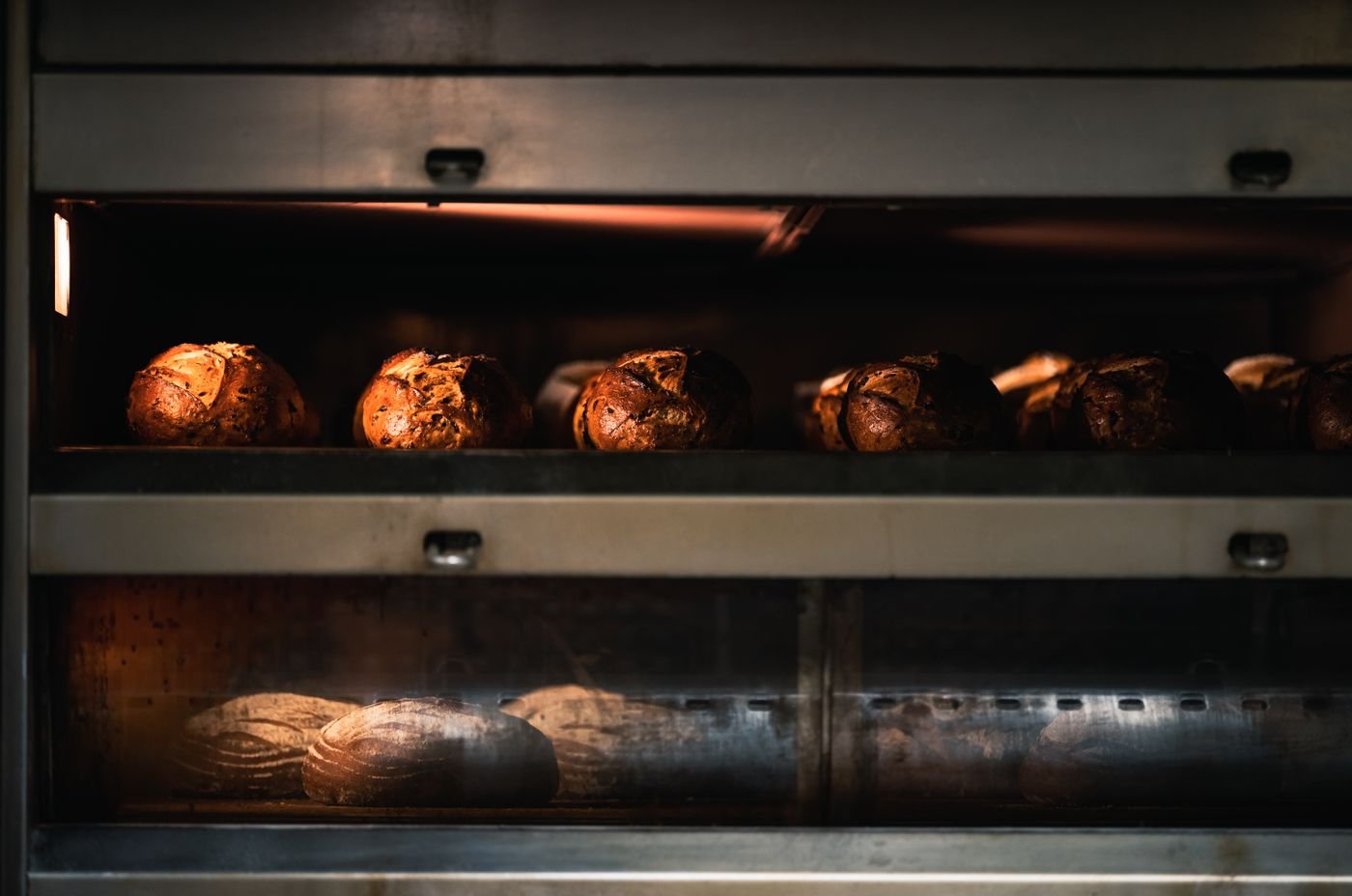
Bread shows how much color matters. A pale loaf and a deeply browned one can come from the same dough, but the dark crust tastes far richer. Bakers use steam at the very start of baking to let the loaf expand, then vent it so the crust can dry and brown. At home, bake loaves until the crust is a deep chestnut color rather than light gold; it is almost always later than you think.
For roasts and vegetables, position the pan in the upper third of the oven for more color, and make sure the oven is fully preheated before the food goes in.
Brown is not burnt
There is a line between deep brown and bitter black, and you learn it by watching and smelling. Browning smells toasty, nutty and sweet. Burning smells acrid. If fat starts to smoke heavily, lower the heat slightly. If the fond, the browned bits stuck to the pan, is darkening too fast, add a splash of water, stock or wine and scrape it up. That liquid becomes an instant sauce.
Practice on something simple
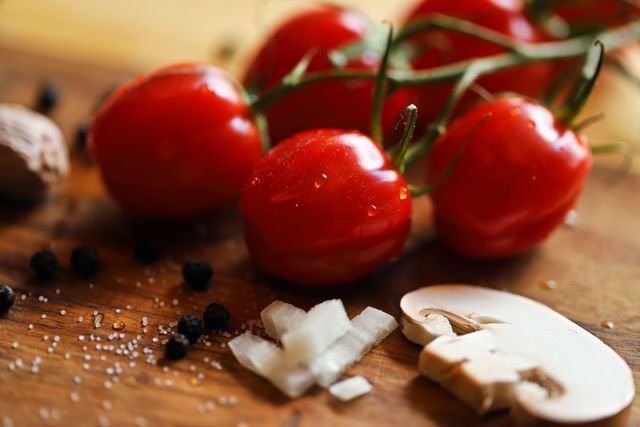
Try this tonight. Cut a pound of mushrooms into thick slices. Heat a heavy pan until very hot, add a thin film of oil, and lay half the mushrooms in a single layer. Do not touch them for four minutes. Flip, cook until the second side is deep brown, then add a knob of butter, a little garlic and salt. Taste one. Then cook the second batch the way you used to. You will never crowd a pan again.