The Weeknight Pantry: What to Keep So Dinner Is Always Possible
A good pantry is not a museum of specialty jars. It is a short, hardworking list that turns an onion, a can of beans and twenty minutes into a real dinner.
Most nights, the hardest part of cooking is not the cooking. It is the moment at six o'clock when you open the cupboard, see a jumble of half-used packets, and decide it would be easier to order something. A well-built pantry removes that moment. It does not need to be large or expensive. It needs to be deliberate, so that almost any fresh thing you bring home has a few reliable partners waiting for it.
In our test kitchen we plan recipes around a short list of staples that we assume most readers keep on hand. Over the years that list has been trimmed and argued over many times. What follows is the version I keep at home, with the reasoning behind each shelf.
Start with the aromatics
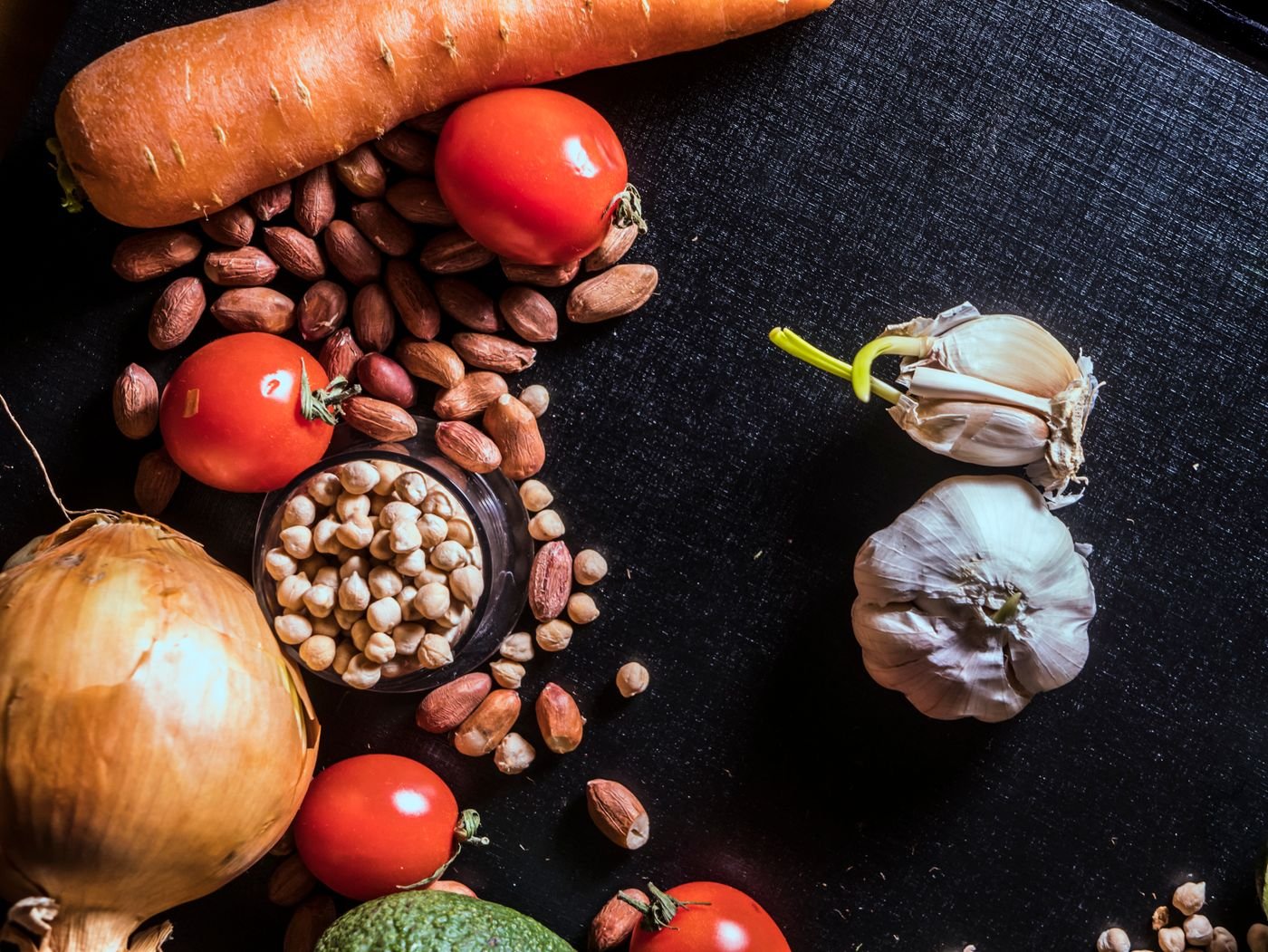
Onions and garlic are the foundation of an enormous share of savory cooking, and they keep for weeks in a cool, dark, dry spot. I buy yellow onions in a mesh bag and a few heads of garlic at a time. If you only ever keep two fresh things, keep these. A softened onion with a little garlic turns beans, rice, eggs or a can of tomatoes into the beginning of a meal.
Add a knob of ginger in the freezer, where it grates beautifully straight from frozen, and a lemon or two in the fridge. Those four items cover more ground than any spice rack.
Beans, grains and the things that fill a bowl
Dried beans are cheap and delicious, but on a Tuesday you want cans. I keep chickpeas, black beans and white beans, plus a bag of red lentils, which cook in fifteen minutes without soaking and collapse into a thick soup or dal.
For grains, choose two or three you actually like rather than every variety on the shelf:
- Long-grain rice, for pilafs, fried rice and plain steamed rice
- A dried pasta in a short shape, which holds sauces well
- Rolled oats, which work for breakfast and for crisp toppings
- One wildcard you enjoy, such as couscous, farro or rice noodles
Cans and jars that do real work
Whole peeled tomatoes are the most useful can in the building. Crushed by hand, they become a sauce in the time it takes pasta to boil. Coconut milk is a close second, especially if you like curries or creamy soups without dairy.
After that, look for things that add a lot of flavor in a small spoonful. Anchovies, capers, olives, tomato paste in a tube, a jar of mustard, soy sauce and a good chili paste all last for months once opened if you store them properly. None of them is the star of a dish, but each one can rescue a flat one.
Fats, acids and seasoning
A pantry without good fat and acid produces food that tastes like it came from a pantry. Keep a neutral oil for high heat, an olive oil you enjoy tasting, and unsalted butter in the fridge or freezer. For acid, a red wine vinegar and a rice vinegar will handle most jobs, and that lemon in the fridge covers the rest.
Salt deserves its own note. Choose one kosher or flaky salt for cooking and stick with it, because different salts measure very differently by the spoon. Our recipes are tested with a specific coarse kosher salt, and switching brands mid-recipe is a common cause of dishes that taste too salty.
For spices, resist the urge to buy a full set. Start with black peppercorns, red pepper flakes, ground cumin, smoked paprika and dried oregano. Buy others when a recipe you love calls for them, and write the date on the lid. Ground spices fade within a year.
The freezer is part of the pantry
I think of my freezer as the pantry's second shelf. Frozen peas, spinach and corn are picked and frozen at their best and cost very little. A bag of shrimp thaws in cold water in ten minutes. Leftover bread, sliced before freezing, becomes toast or breadcrumbs whenever you need it. I also freeze small portions of cooked rice, which reheats better than you might expect.
Turning the list into dinner
The point of all this is not to own ingredients. It is to be able to cook without a plan. Here is how a pantry like this plays out on a tired evening. Soften an onion in olive oil, add garlic and a spoon of tomato paste, then a can of chickpeas and a can of tomatoes. Simmer for fifteen minutes, wilt in a handful of frozen spinach, finish with lemon, and serve it over rice or with toast. That is a full meal from shelf-stable food, and it tastes like you meant it.
Another night, the same onion becomes fried rice with frozen peas and an egg, or a quick pasta with anchovies, capers and chili flakes. The ingredients repeat, but the dinners do not.
Keep it honest
Once a month, pull everything forward and look at what you have. Use up the half bag of lentils before buying more. Toss the spice that smells like dust. Keep a running list taped inside the cupboard door so you replace staples before they run out, not after. A pantry that is maintained this way stays small, and a small pantry you know by heart is far more useful than a large one you cannot see into.